what causes a fungal lung infection Fungal infection in lungs: causes, risk factors, symptoms, and 3
Fungal infections can be quite common and can affect different parts of the body. Understanding the causes, symptoms, and risk factors associated with fungal infections is crucial for prevention and management. In this post, we will explore the key aspects of fungal infections and provide valuable insights on how to deal with them.
Causes of Fungal Infections
Fungal infections are caused by the growth of fungi, which can thrive in various environments including the skin, lungs, and other body parts. The most common types of fungi that cause infections include Candida, Aspergillus, and dermatophytes.
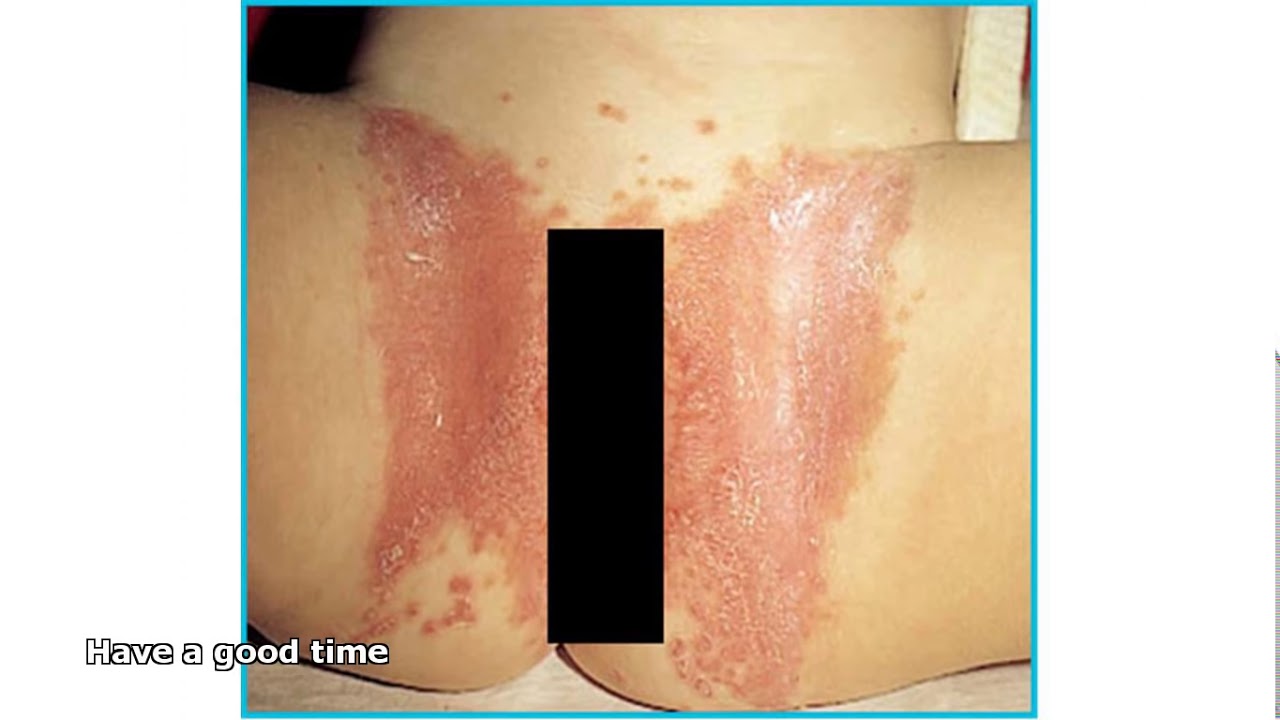 Fungal infections can be contracted through direct contact with an infected person or an infected surface. They can also spread through the air by inhaling fungal spores. Furthermore, certain factors increase the risk of developing fungal infections, such as a weakened immune system, underlying health conditions like diabetes or HIV/AIDS, poor personal hygiene, and living in a humid environment.
It is important to note that fungal infections are not contagious in most cases. However, some types of fungal infections, such as ringworm and athlete’s foot, can be transmitted through direct contact with an infected person or an infected surface.
Fungal Infection in Lungs
 One particular area where fungal infections can be severe is the lungs. Fungal infections in the lungs can lead to serious complications, especially in individuals with weakened immune systems. The primary causes of fungal lung infections include inhaling fungal spores present in the environment and the overgrowth of fungi already present in the respiratory system.
Symptoms of fungal infections in the lungs may vary depending on the specific type of infection. Common symptoms include coughing, shortness of breath, chest pain, fatigue, and recurrent respiratory infections. If you experience these symptoms, it is crucial to seek medical attention for proper diagnosis and treatment.
Prevention and treatment of fungal infections in the lungs involve various strategies. Avoiding environments with high fungal spore concentrations, maintaining good respiratory hygiene, and taking prescribed antifungal medications can help manage and prevent fungal infections in the lungs.
In conclusion, fungal infections can affect different parts of the body and understanding the causes, symptoms, and risk factors is essential. Whether it is a fungal infection on the skin or in the lungs, early detection and appropriate treatment are crucial for a successful recovery. If you suspect a fungal infection, it is advised to consult with a healthcare professional for a proper diagnosis and treatment plan.
If you are looking for Fungal Infection in Lungs: Causes, Risk Factors, Symptoms, and 3 you’ve came to the right place. We have 5 Pictures about Fungal Infection in Lungs: Causes, Risk Factors, Symptoms, and 3 like 5 Signs and Symptoms of lung infection - My Health Only, Lung Fungus Symptoms | eHow and also Fungal lung infection - Stock Image - M108/0541 - Science Photo Library. Here it is:
Fungal Infection In Lungs: Causes, Risk Factors, Symptoms, And 3
healthbeautyidea.comfungal lungs
Fungal Lung Infection - Stock Image - M108/0541 - Science Photo Library
 www.sciencephoto.comfungal cnri
5 Signs And Symptoms Of Lung Infection - My Health Only
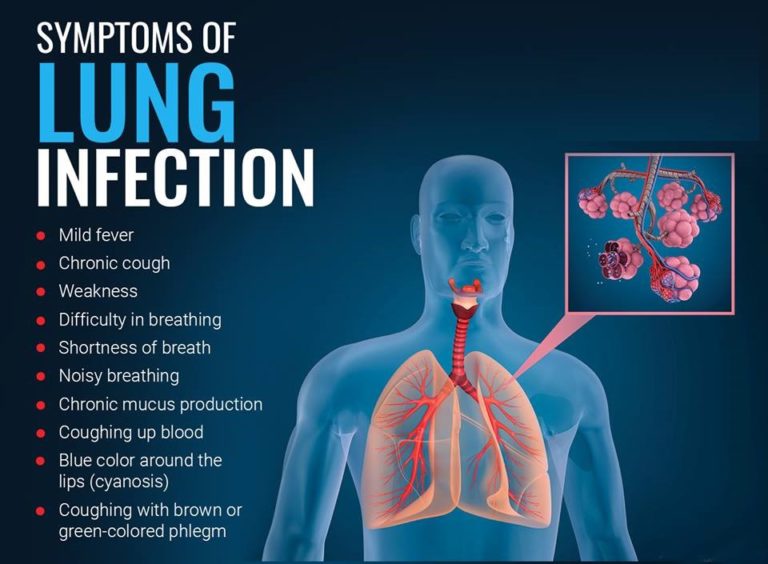 myhealthonly.netinfection lung lungs respiratory chest cough recover myhealthonly
Causes Of Fungal Infections - YouTube
www.youtube.comfungal infections causes
Lung Fungus Symptoms | EHow
 www.ehow.comlung symptoms parasites scarring lungs mold humans causes fungus human mould signs ehow pulmonary effect individuals does related chest healthy
Infection lung lungs respiratory chest cough recover myhealthonly. Fungal lungs. Fungal lung infection