how long to treat fungal skin infection Dos and don'ts to treat fungal skin infections
Fungal skin infections can be quite bothersome and uncomfortable. If you’re currently dealing with one, don’t worry - there are several dos and don’ts that can help you effectively treat the infection and regain healthy skin. Let’s explore some tips and tricks to manage fungal skin infections.
Understanding Fungal Skin Infections
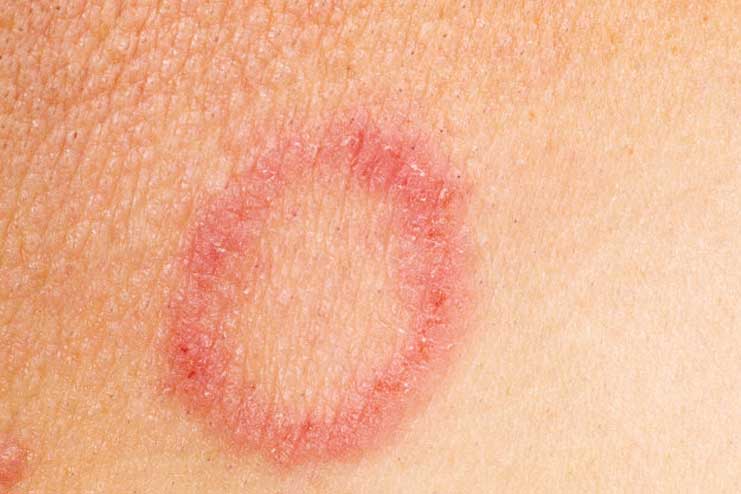
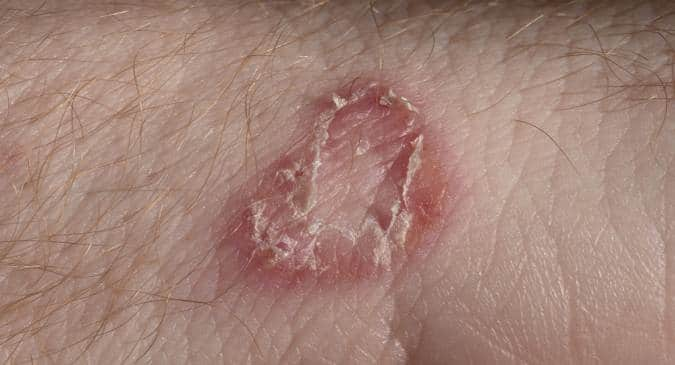 Fungal skin infections, medically known as dermatophytosis or tinea, occur when fungi invade the skin’s outer layers. These infections are usually characterized by redness, itching, and sometimes even peeling or flaking skin. They can affect any part of the body, including the scalp, feet, groin, and nails.
Do’s for Treating Fungal Skin Infections
1. Keep the affected area clean and dry. Fungi thrive in warm and moist environments, so it’s crucial to keep the infected area clean and dry. Use mild soap and water to gently cleanse the area, and pat it dry thoroughly.
2. Apply antifungal creams or ointments. Over-the-counter antifungal creams or ointments can be highly effective in treating fungal infections. Look for products containing active ingredients like clotrimazole or miconazole, and apply them according to the instructions provided.
3. Wear loose-fitting clothing. Tight clothing can create a warm and moist environment, promoting fungal growth. Opt for loose-fitting clothes made of breathable fabrics like cotton to keep the affected area dry.
Don’ts for Treating Fungal Skin Infections
1. Avoid scratching the infected area. Scratching can worsen the infection and increase the risk of spreading it to other areas of your body. If you experience itchiness, consider applying a cold compress or using over-the-counter anti-itch creams.
2. Avoid sharing personal items. Fungal skin infections are highly contagious, so it’s best to avoid sharing personal items such as towels, clothing, or footwear. This prevents the spread of fungi and reduces the risk of reinfection.
Ringworm: How to Treat it Effectively
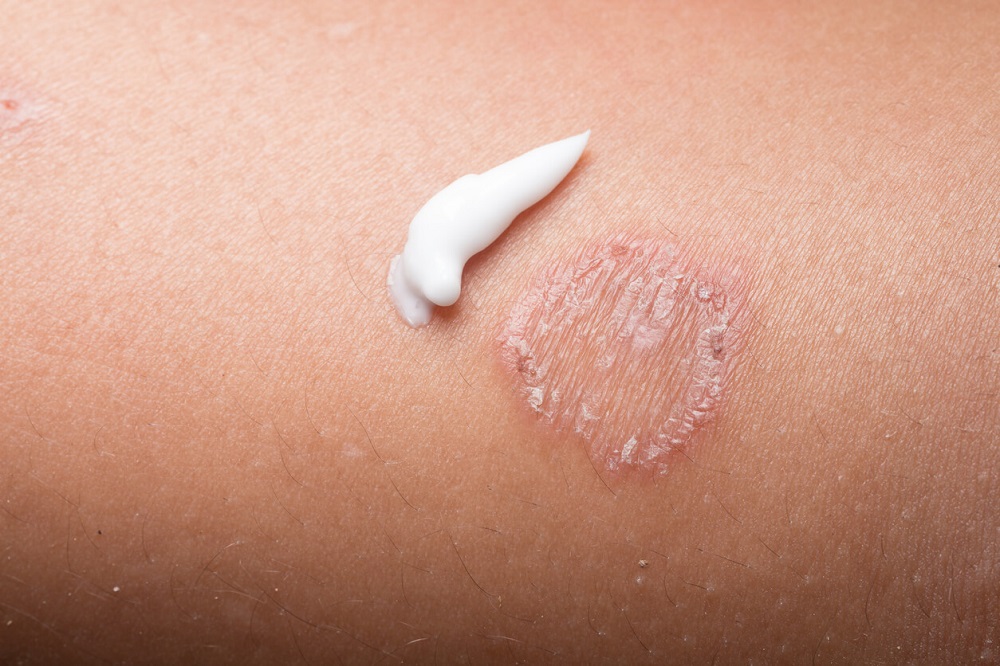 One of the most common types of fungal skin infection is ringworm. Despite its name, ringworm is not caused by worms but by a type of fungus called dermatophytes. Here are some essential tips for treating ringworm:
1. Apply antifungal creams specifically designed for ringworm. Ringworm requires specific treatment, so look for antifungal creams or ointments that target this particular type of infection. These products usually contain ingredients like terbinafine or clotrimazole that effectively eliminate ringworm.
2. Keep the infected area covered. Covering the affected area with a clean bandage or dressing can help prevent the spread of ringworm and speed up the healing process.
3. Wash clothing and bedding regularly. In addition to treating the infection on your skin, it’s crucial to wash any clothing, towels, or bedding that may have come into contact with the fungus. This helps eliminate any lingering spores and prevent reinfection.
Remember, fungal skin infections can take time to completely heal. If your symptoms persist or worsen despite following the dos and don’ts mentioned above, it’s advisable to consult a healthcare professional for further evaluation and guidance.
Take care of your skin, practice good hygiene, and be persistent in your treatment to overcome fungal skin infections. With the right approach, you’ll soon be enjoying healthy and itch-free skin once again!
If you are searching about Fungal-infection-skin-folds you’ve came to the right web. We have 5 Pics about Fungal-infection-skin-folds like Fungal-infection-skin-folds, How to Treat Ringworm – Redorbit and also Dos and don’ts to treat fungal skin infections | TheHealthSite.com. Read more:
Fungal-infection-skin-folds
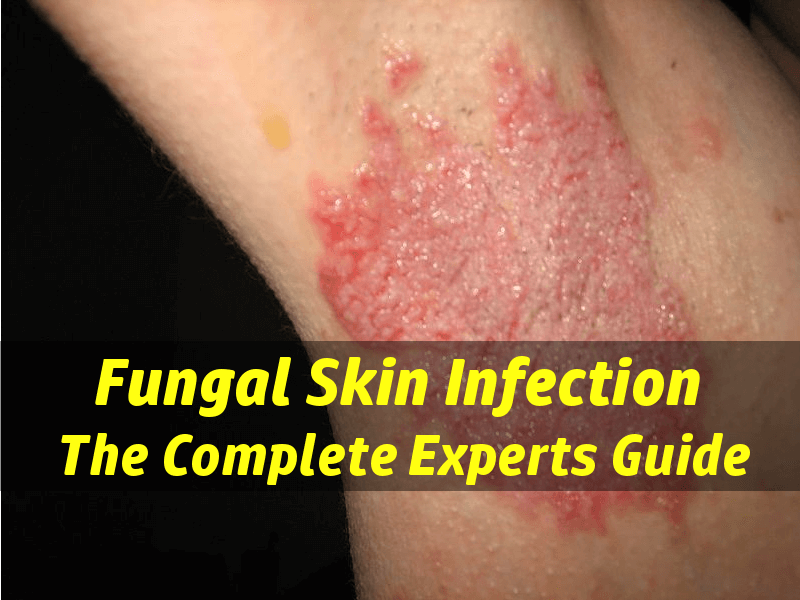 salvatorefox229news.blogspot.comHow To Treat Ringworm – Redorbit
www.redorbit.comringworm treat
Fungal Skin Infection Causes, Symptoms And Treatment In Bangalore
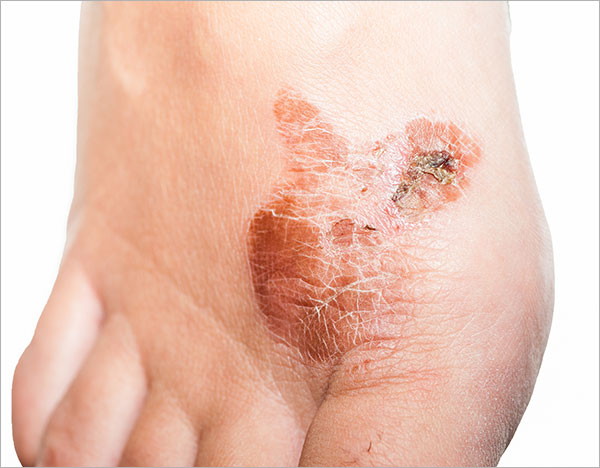 drpriyaskinandhairclinic.comfungal infection skin symptoms treatment
Fungal Skin Infection Treatment At Home – 10 Natural Remedies That Work
 www.healthspectra.comfungal infection skin last long does treatment
Dos And Don’ts To Treat Fungal Skin Infections | TheHealthSite.com
www.thehealthsite.comfungal skin infections treat infection dos conditions ts don thehealthsite diseases
Dos and don’ts to treat fungal skin infections. Fungal skin infection causes, symptoms and treatment in bangalore. Fungal infection skin last long does treatment