does fungal cream make eczema worse Fungal skin infections: types, symptoms, and treatments
Eczema, a common skin condition that affects millions of people worldwide, is known for its red, itchy, and inflamed patches of skin. It can be incredibly frustrating and uncomfortable to deal with, leading many individuals to search for effective treatments and strategies to manage their symptoms. In this post, we will delve into the causes and triggers of eczema, helping you gain a deeper understanding of this condition.
Eczema Causes
While the exact cause of eczema remains unknown, researchers believe that a combination of genetic and environmental factors contributes to its development. Individuals with a family history of eczema, asthma, or hay fever are more likely to experience this skin condition. Additionally, certain gene mutations have been linked to an increased risk of developing eczema.
Aside from genetics, environmental factors play a significant role in triggering eczema flare-ups. Allergens such as dust mites, pollen, and pet dander can irritate the skin, leading to inflammation and itchiness. Irritants like soaps, detergents, and certain fabrics can also trigger eczema symptoms. A weakened skin barrier, typically caused by dryness, allows these irritants to penetrate the skin more easily, leading to increased sensitivity.
Eczema Triggers
Identifying and avoiding triggers is vital in managing eczema. While triggers can vary from person to person, some common ones include:
- Food allergies: Certain foods, such as dairy products, eggs, nuts, and soy, can trigger eczema flare-ups in some individuals. Keeping a food diary and monitoring your skin’s response can help identify potential triggers.
- Stress: Emotional stress has been known to exacerbate eczema symptoms. Adopting stress management techniques such as meditation, deep breathing exercises, or engaging in enjoyable activities can help mitigate this trigger.
- Climate: Extreme temperatures, high humidity, and low humidity can all impact eczema-prone skin. Cold, dry weather tends to worsen symptoms, while hot and humid conditions may lead to excessive sweating, triggering flare-ups.
- Chemical irritants: Substances commonly found in cleaning products, fragrances, and skincare products, such as sulfates, parabens, and formaldehyde, can irritate eczema-prone skin. Opting for fragrance-free, hypoallergenic products can help minimize this trigger.
 Effective Management Strategies
While there is currently no cure for eczema, various management strategies can help alleviate symptoms and reduce the frequency of flare-ups:
- Moisturize regularly: Keeping the skin well-hydrated helps repair the skin barrier and reduces dryness, minimizing the risk of flare-ups. Opt for fragrance-free and hypoallergenic moisturizers.
- Avoid triggers: Identifying and avoiding triggers specific to your condition is essential. This may involve eliminating certain foods, minimizing stress, and being mindful of the climate and chemicals in your environment.
- Practice good skincare: Use gentle, non-drying cleansers and avoid hot water, as it can strip the skin’s natural oils. After showering or bathing, pat the skin dry with a soft towel and immediately apply moisturizer to lock in moisture.
- Manage stress: Stress can worsen eczema symptoms, so finding healthy ways to cope with stress is crucial. Engage in relaxation techniques, participate in activities you enjoy, and seek support from friends, family, or professionals if needed.
- Consult a healthcare professional: If your eczema symptoms are severe, persistent, or affecting your quality of life, it is essential to seek medical advice. A healthcare professional can provide personalized recommendations and prescribe medications if necessary.
 Remember, everyone’s experience with eczema is unique, and what works for one person may not work for another. It may take some time and experimentation to find the most effective management strategies for your specific condition. By being proactive, informed, and patient, you can take control of your eczema and lead a more comfortable life.
If you are searching about Facial Eczema: Triggers and Dealing Methods | New Health Advisor you’ve visit to the right place. We have 5 Pictures about Facial Eczema: Triggers and Dealing Methods | New Health Advisor like Pin on Eczema, 7 TYPES OF ECZEMA AND ITS SYMPTOMS - BANISH and also Fungal Skin Infections: Types, Symptoms, and Treatments. Read more:
Facial Eczema: Triggers And Dealing Methods | New Health Advisor
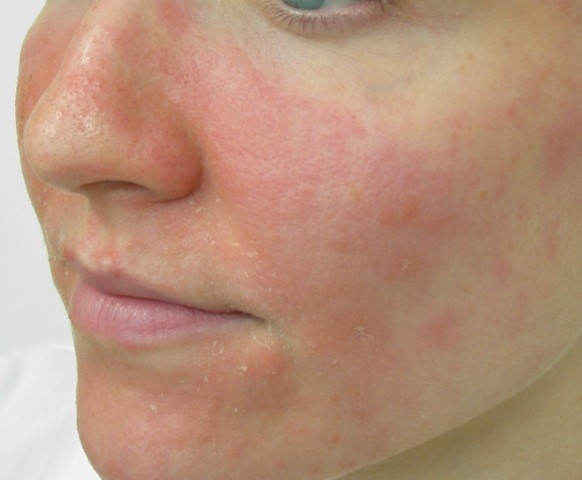 www.newhealthadvisor.orgeczema dermatitis psoriasis dyshidrotic pompholyx triggers dealing methods
Pin On Eczema
www.pinterest.comeczema rash fungal skin treatment rashes infection choose board
Eczema Causes And Triggers - We Investigate The Reasons. In 2020
www.pinterest.comeczema triggers rash anxiety certain nikki cagle
Fungal Skin Infections: Types, Symptoms, And Treatments
 www.rxlist.comfungal ringworm eczema infections fungus scalp itchy tinea treatments
7 TYPES OF ECZEMA AND ITS SYMPTOMS - BANISH
 banish.comeczema dermatitis seborrheic
Eczema dermatitis seborrheic. Fungal ringworm eczema infections fungus scalp itchy tinea treatments. Eczema rash fungal skin treatment rashes infection choose board